

Many people with sensitive teeth know the sensation all too well — a sharp jolt from a sip of cold water, an “ouch” when a spoon touches your tooth, or lingering discomfort long after the ice cream is gone. Tooth sensitivity can come from worn enamel, exposed roots, gum recession, or even mild cracks. Fortunately, there are sensible, effective ways to help ease that sensitivity — and fluoride varnish is one of them.
At Corvallis Dental Group in Corvallis, OR, Dr. Jason Thomas Greyslak and Dr. Rose Greyslak recommend fluoride varnish regularly for patients who struggle with sensitivity or want an added layer of protection against decay. It’s a simple, safe treatment that can make daily life — eating, drinking, even brushing — more comfortable.
Let’s walk through how fluoride varnish works, why it’s safe, and when you might want to consider it.
What Fluoride Does for Teeth
Fluoride is a naturally occurring mineral that’s been part of dental care for decades. Its job is to help strengthen enamel — the hard, outer surface of your teeth. When enamel loses minerals (a process called demineralization), teeth can become more sensitive and vulnerable to decay. Fluoride helps flip the switch in the other direction: it encourages remineralization, helping enamel rebuild and resist acid attacks from food and bacteria.
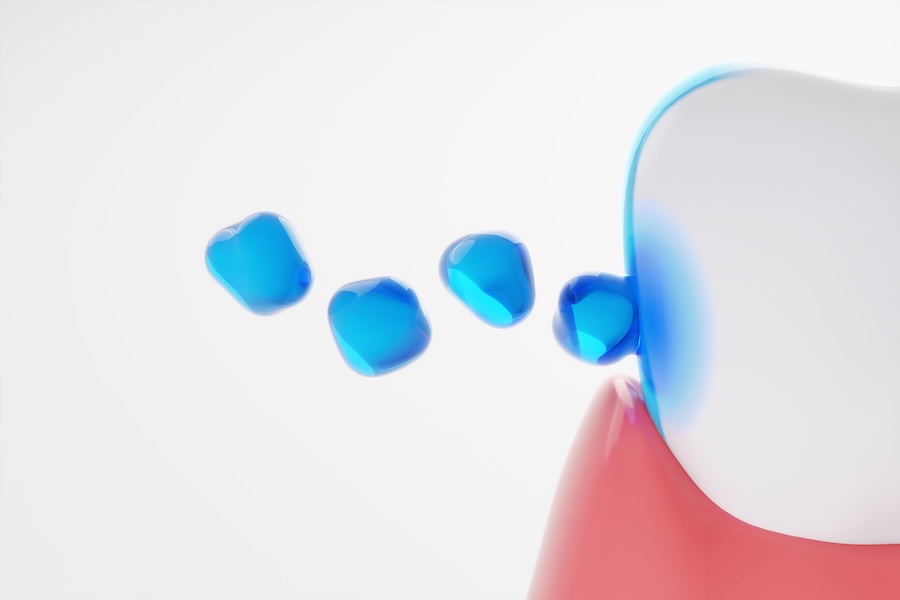
Fluoride varnish concentrates this benefit in a professional‑strength dose, applied directly to your teeth in a thin, sticky coating. Once it’s on, it starts working right away.
How Fluoride Varnish Works
Fluoride varnish is a bit like giving your teeth a protective shield. Here’s what happens:
Application:
At the dental office, your hygienist or dentist brushes a thin layer of varnish onto your teeth. It’s painless, quick, and doesn’t require rinsing or trays.Adhesion:
The varnish sticks to the tooth surface, even through saliva, so the fluoride can be absorbed effectively.Absorption:
As the varnish slowly dissolves over the next several hours, fluoride is taken up by the enamel. This makes the surface stronger and less reactive to temperature changes or sweets.
Because it stays in place longer than toothpaste or mouth rinse, the fluoride gets more time to make an impact.
Why It Helps Sensitive Teeth
When enamel is thin or worn — or when root surfaces are exposed — the nerves inside your teeth can be triggered by cold, heat, or sweetness. Fluoride varnish works in a couple of ways:
Strengthening enamel so it’s less likely to transmit sensations directly to the nerve
Helping remineralize soft or thin areas that are more likely to be sensitive
Forming a protective layer that shields exposed surfaces from immediate triggers
Many patients find that sensitivity becomes noticeably milder after a few varnish applications spaced over weeks or months.
Is Fluoride Varnish Safe?
Yes — fluoride varnish is safe when applied by a dental professional. The amount of fluoride used is small and applied directly to the teeth, where it’s needed most. Saliva and natural swallowing mean a tiny amount may enter the mouth temporarily, but rinsing isn’t necessary because the varnish works best when it’s left undisturbed.
In children, fluoride varnish is often used to help prevent cavities; in adults, it’s equally effective for sensitivity and enamel support.
If you ever have questions about fluoride exposure or past reactions, Dr. Greyslak or Dr. Rose Greyslak can walk through those with you and tailor recommendations based on your personal dental and medical history.
When Fluoride Varnish Makes Sense
Here are some typical scenarios where fluoride varnish can be especially helpful:
Tooth sensitivity that bothers you daily — when cold, heat, or sweets cause discomfort
Early enamel thinning seen on clinical exam
Patients with gum recession, exposing root surfaces
Patients with higher risk of decay — because stronger enamel resists acid more effectively
Before or after restorative work, to support enamel around fillings or crowns
Fluoride varnish isn’t a cure‑all, but it’s a proven, easy step that enhances your mouth’s natural defenses.
What to Expect After Application
Right after application, you might notice a slight shiny film on your teeth; that’s normal. Some offices recommend avoiding hot drinks or crunchy foods for a few hours — but there’s no pain, no numbness, and no complex aftercare.
Most people notice gradual improvement in sensitivity over time. If you’re dealing with sharp sensations when drinking cold water or brushing, fluoride varnish is often part of a broader sensitivity care plan that might include:
Sensitive‑toothpaste formulations
Other professionally applied desensitizers, like Gluma
Gentle brushing technique
Addressing gum health
Possible protective treatments like bonding or sealants when needed
Fluoride Varnish for Sensitive Teeth in Corvallis, OR
Tooth sensitivity can make everyday eating and drinking feel unpredictable; it’s one of those small aches that adds up. Fluoride varnish doesn’t erase enamel loss completely, but it does make your teeth more resilient, less reactive, and better prepared for daily life.
If you’re curious whether fluoride varnish might help you — or if sensitivity has become more than a mild annoyance — call Corvallis Dental Group. Dr. Jason Thomas Greyslak and Dr. Rose Greyslak can assess your enamel, talk through options, and help you decide when and how often varnish should be part of your care.