

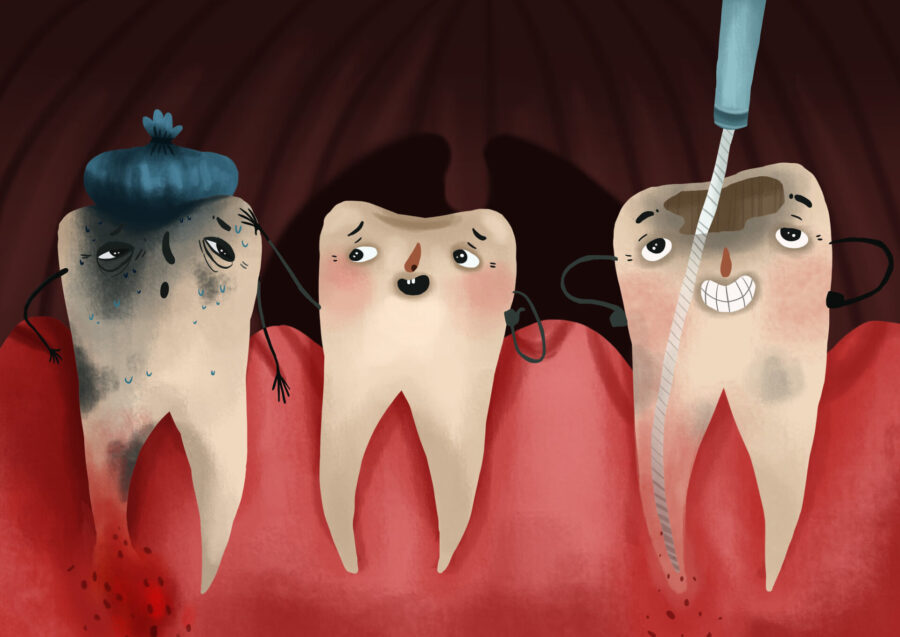
Tooth pain has a way of getting your attention. Sometimes it fades quickly. Other times, it lingers, pulses, or shows up when you least expect it. If you’re wondering whether that discomfort means you might need a root canal, the answer depends on what’s happening inside the tooth.
At Corvallis Dental Group in Corvallis, OR, Dr. Jason Thomas Greyslak and Dr. Rose Greyslak evaluate symptoms carefully to determine whether a tooth can be treated conservatively or whether root canal therapy is the best way to relieve pain and prevent further damage.
Here are seven signs that shouldn’t be ignored.
- Sharp or throbbing
- Deep and aching
- Worse when biting or chewing
- Puffiness along the gumline
- A small bump that resembles a pimple
- Tenderness when touching the area
1. Persistent Tooth Pain
Ongoing tooth pain — especially persistent pain that doesn’t improve after a day or two — is one of the most common signs of an infected or inflamed pulp (the soft tissue inside the tooth).
The pain may feel:
If the discomfort feels centered in one tooth and continues, it’s worth scheduling an exam.
2. Lingering Sensitivity to Hot or Cold
Brief sensitivity is common. Lingering sensitivity is different.
If you drink something hot or cold and the pain lingers for 20–30 seconds or longer after the temperature stimulus is gone, it can indicate nerve inflammation inside the tooth. That type of response often points toward the need for root canal treatment.
3. Pain When You Bite Down
If chewing or applying pressure triggers discomfort, the tooth’s internal structure may be compromised. Infection or inflammation inside the pulp can make the tooth more reactive to normal biting forces.
Sometimes this symptom is subtle at first — a mild tenderness that gradually becomes more noticeable.
4. Swelling Around the Gums
Swelling near a specific tooth may signal infection at the root tip. You might notice:
This can indicate an abscess, which requires prompt attention.
5. Tooth Discoloration
A tooth that suddenly appears darker or gray compared to neighboring teeth can be a sign that the nerve tissue inside has been compromised.
Discoloration doesn’t always come with severe pain. In some cases, the nerve may have already lost vitality, even if symptoms feel mild.
6. A History of Deep Decay or Trauma
If a tooth has had a large cavity, a deep filling, or a crack, bacteria may have reached the pulp over time. Similarly, a blow to the tooth — even years ago — can eventually lead to nerve damage.
Patients sometimes feel surprised when a previously “fixed” tooth starts hurting. Often, the issue has been developing beneath the surface.
7. Recurring or Worsening Symptoms
Pain that disappears and then returns can still indicate a developing infection. In some cases, the nerve tissue partially breaks down before symptoms flare again.
Waiting for pain to become severe isn’t necessary — early evaluation can often prevent complications and tooth extraction.
What a Root Canal Actually Does
Root canal therapy removes infected or inflamed pulp tissue from inside the tooth, disinfects the canals, and seals the space to prevent further infection. In most cases, a crown is placed afterward to strengthen and protect the tooth.
Modern root canal treatment is designed to relieve pain — not cause it. With local anesthesia and updated techniques, the procedure typically feels similar to having a filling placed.
Saving the natural tooth helps maintain proper chewing function and prevents shifting of surrounding teeth.
When to See a Dentist in Corvallis, OR
If you’re experiencing persistent tooth pain, swelling, or lingering sensitivity, it’s best not to wait. The sooner the cause is identified, the more treatment options you may have.
At Corvallis Dental Group in Corvallis, OR, Dr. Jason Thomas Greyslak and Dr. Rose Greyslak will examine your tooth, take appropriate imaging, and determine whether a root canal is necessary — or whether another solution is more appropriate.
If you’re unsure whether your symptoms require treatment, schedule an appointment to have your tooth evaluated. Addressing the issue early can protect both your comfort and your long-term oral health.
Contact Us
Image from Authority Dental under CC 2.0