

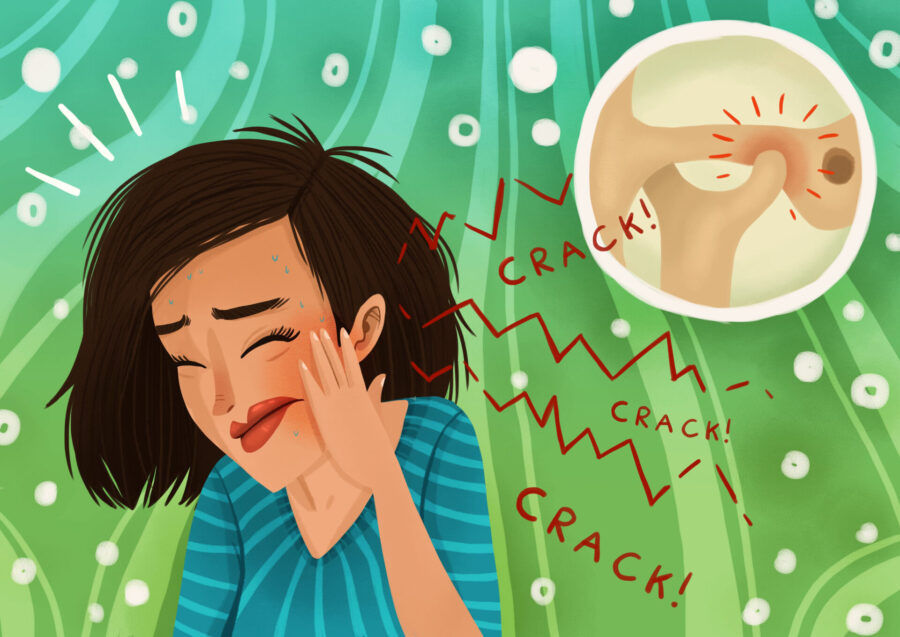
A sore jaw after a stressful day is easy to dismiss. Maybe you caught yourself clenching at work, chewed gum for too long, or slept with your neck at an odd angle. Sometimes the discomfort fades by the next morning and does not return.
It is worth paying closer attention when the pain keeps coming back, affects eating, or changes how far you can open your mouth. You may notice painful clicking, headaches near the temples, or a jaw that catches during a yawn. Some people also feel that their bite shifts during the day.
These symptoms may be related to a temporomandibular disorder, often shortened to TMD. TMD includes several conditions involving the jaw joints, chewing muscles, and nearby tissues. At Corvallis Dental Group in Corvallis, OR, Dr. Jason Thomas Greyslak and Dr. Rose Greyslak can help sort out whether the pain is coming from the joint, tired muscles, a tooth, or another source.
The TMJ and TMD Are Different Things
The temporomandibular joints, or TMJs, sit just in front of the ears. They connect the lower jaw to the skull and move every time you speak, chew, swallow, or yawn.
TMD is the broader name for problems affecting those joints and the muscles around them. One person may have sore chewing muscles, while another may have joint irritation or a disc that is not moving smoothly. Sometimes more than one issue is present.
That is why treatment is not identical for every patient. Muscle tension, painful clicking, and repeated locking may all need different approaches.
Jaw Pain That Keeps Returning
Everyday jaw fatigue often improves after a short break from hard or chewy foods. TMD symptoms may ease for a few days and then return during a stressful week, after a long meal, or following a poor night of sleep.
The pain may feel dull and achy near the cheeks or ears. Some people wake with tightness that improves during the morning, then returns later after hours of clenching.
It can help to notice when the discomfort is strongest. Morning pain may point toward nighttime grinding, while soreness that builds through the workday may fit daytime clenching.
Clicking Is More Important When It Hurts
A painless click is common and does not always need treatment. Some people have heard the same click for years without pain or loss of movement.
A click deserves more attention when it starts hurting, becomes louder, or comes with catching or locking. You may feel the jaw hesitate halfway open and then release with a pop.
Grinding or crunching sounds can also occur inside the joint. The sound alone does not tell us what is wrong, so we look at it alongside pain, movement, and changes in the bite.
Limited Opening Can Affect Normal Activities
TMD can make ordinary things feel harder than they should. Eating a sandwich, brushing the back teeth, yawning, or sitting through a dental visit may become uncomfortable.
Some people can still open fully but feel pain near the widest point. Others notice that the jaw shifts to one side or follows an uneven path.
Do not force the jaw through a lock or keep testing how far it can open. Call the office when movement changes suddenly or the jaw becomes stuck.
Headaches and Ear-Area Pain May Start in the Jaw
The chewing muscles extend into the temples and along the sides of the face. When those muscles stay tight, the discomfort may feel more like a headache than a jaw problem.
TMD pain can also sit close to the ear because the joint is directly in front of it. Patients sometimes describe pressure, aching, or a plugged feeling even when there is no ear infection.
A cracked tooth or dental infection can cause similar pain. Checking the teeth is important because a nightguard or jaw exercise will not treat an infected tooth.
Clenching and Grinding Can Add Strain
Clenching means holding the teeth together under pressure. Grinding involves rubbing or sliding them against each other. Either habit can tire the jaw muscles and place extra force on the joints and teeth.
Many people clench while working, driving, lifting weights, or concentrating. At rest, the upper and lower teeth generally should have a little space between them.
Nighttime grinding is harder to notice. Morning tightness, worn teeth, chipped fillings, or a partner hearing grinding sounds may be the first clues.
A Bite That Feels Different
The teeth may meet differently when the jaw muscles or joint are irritated. One side may touch first, or the bite may feel uneven in the morning and settle later.
A loose crown, cracked tooth, infection, or recent filling can also change the bite. Dr. Jason Greyslak or Dr. Rose Greyslak will check those possibilities before assuming TMD is responsible.
Because the bite can change temporarily during a flare, treatment usually begins with options that can be adjusted or stopped. Permanently reshaping teeth is not the usual first step for jaw pain.
Stress Can Be Part of the Pattern
Stress often changes the way people hold their jaw, neck, and shoulders. The teeth may stay pressed together during the day, and sleep may become lighter or less restful.
That does not mean the pain is imagined. Tight muscles, limited movement, and joint irritation are physical problems, even when stress makes them worse.
Daytime reminders to separate the teeth, better sleep habits, exercise, counseling, or breathing techniques may help reduce clenching. These steps can be useful alongside direct treatment for the jaw.
When Jaw Pain May Be Something Else
Several problems can feel like TMD. A cracked tooth, dental abscess, sinus condition, ear problem, arthritis, nerve pain, or neck strain may cause pain in the same area.
Facial swelling, fever, drainage, a bad taste, or strong tooth sensitivity may point to infection. New facial weakness, numbness, chest pain, shortness of breath, or pain spreading into the arm needs urgent medical care.
A jaw that suddenly will not open may come from the joint, but infection or injury can also cause it. Contact the office promptly rather than trying to stretch it open at home.
What We Check During a TMD Evaluation
We begin by asking where the pain starts, what makes it worse, and whether the jaw clicks, locks, or feels different in the morning. Dental work, injuries, headaches, sleep, medication use, and daytime clenching can all help explain the pattern.
The exam includes the teeth, bite, jaw joints, and chewing muscles. We may feel along the cheeks and temples, listen to the joints, and watch how the jaw opens and closes.
X-rays are useful when a tooth or bone problem is suspected. Other imaging or a referral may be considered when locking, trauma, joint damage, nerve symptoms, or a complex pain condition needs a closer look.
Simple Steps Can Help During a Flare
For a recent flare, give the jaw a short break from heavy chewing. Softer meals, smaller bites, and avoiding gum or chewy candy can reduce the work placed on sore muscles.
Heat often feels good on tight muscles, while a cold pack may help after an acute strain. Use either for short periods with a cloth between the skin and the pack.
Keep the jaw moving gently within a comfortable range. Holding it completely still can increase stiffness, but forceful stretching may make the pain worse.
An Oral Appliance May Help
A custom oral appliance may be recommended when clenching, grinding, or heavy tooth contact is part of the problem. It fits over one arch and gives the teeth a smoother surface to meet.
The appliance can protect worn teeth, crowns, and fillings while reducing uneven pressure. Some patients also wake with less muscle fatigue.
It may not stop clenching completely, so follow-up is important. A guard that pinches, rocks, or leaves the bite feeling different for a long time after removal should be adjusted.
TMD Therapy May Include More Than a Nightguard
Physical therapy can help when jaw movement, posture, or muscle function needs more attention. Treatment may include gentle exercises, manual therapy, and work involving the neck and shoulders.
Sleep concerns may also need their own evaluation. Loud snoring, gasping, witnessed breathing pauses, and strong daytime sleepiness can point to sleep-disordered breathing, which a standard nightguard does not treat.
More involved procedures are reserved for selected cases. Most patients begin with reversible care such as habit changes, a custom appliance, physical therapy, and time for irritated tissues to settle.
What Improvement Can Look Like
Recovery is not always perfectly steady. The jaw may feel better for several days and then become sore after a long meal, poor sleep, or a stressful week.
Progress may mean fewer morning headaches, easier chewing, better opening, or less tightness at the end of the day. A painless click may remain even after the discomfort improves.
Follow-up gives us a chance to adjust the plan. If symptoms continue or worsen, we may change the appliance, recommend physical therapy, or look more closely for another source of pain.
TMD Therapy at Corvallis Dental Group
Jaw pain may need more than rest when it keeps returning, limits movement, interferes with eating, or comes with painful clicking and locking. Morning headaches, worn teeth, and a bite that repeatedly feels different can also point to clenching or strain within the jaw system.
At Corvallis Dental Group in Corvallis, OR, Dr. Jason Thomas Greyslak and Dr. Rose Greyslak can examine the joints, chewing muscles, teeth, and bite. We can discuss an oral appliance, physical therapy, home-care changes, or a referral when another type of care would be helpful.
Schedule an evaluation with Corvallis Dental Group when jaw discomfort is becoming a regular part of the week or ordinary movements no longer feel comfortable. The visit can help clarify what is causing the pain and what may help it settle.
Contact Us
Image from Authority Dental under CC 2.0