

There’s a moment a lot of people have with their wisdom teeth. Maybe it’s a dull pressure in the back of your mouth, or food getting stuck in a spot that didn’t used to exist. Sometimes it’s nothing more than a comment during a routine visit: “We should keep an eye on those.”
From there, the question tends to linger—do I actually need to do something about this, and if so, when?
If you’ve been looking into wisdom teeth removal in Corvallis, you’re likely trying to figure out timing just as much as the procedure itself. And just as important, you’re probably wondering what recovery really feels like, not just what it says on paper.
Wisdom Teeth Removal in Corvallis: When Is the Right Time?
Wisdom teeth don’t always cause immediate problems, but they can be unpredictable. Some come in without much trouble, while others never fully emerge. But even when they seem quiet, they can create issues that build slowly over time.
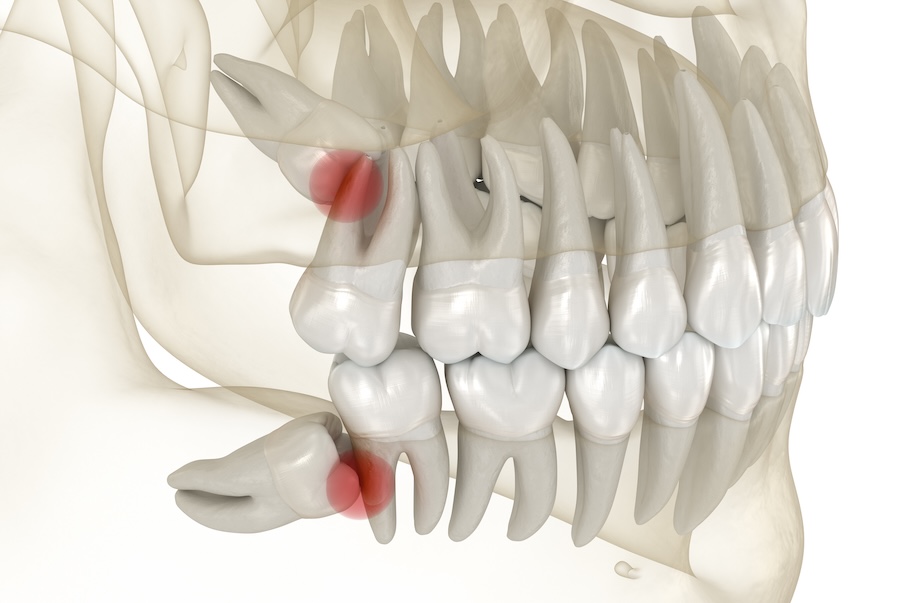
One of the most common issues we see is impaction, which means the tooth doesn’t have enough room to come in properly. It may be stuck under the gums, angled toward neighboring teeth, or only partially erupted.
Even when wisdom teeth come in more normally, they can still create problems over time. The very back of the mouth is simply harder to keep clean, which increases the risk of decay and gum irritation. Some patients deal with repeated inflammation around those back teeth, especially when the gums partially cover them.
Other times, it’s about crowding. Wisdom teeth can put pressure on nearby teeth, which may affect alignment—something patients who’ve had orthodontic work are often trying to protect.
And in some cases, we see early signs of damage to neighboring molars, just from how the wisdom teeth are positioned.
So while impaction is a big reason, it’s really about the bigger picture—how those teeth are functioning and whether they’re likely to cause issues down the road. In many cases, timing comes down to prevention rather than urgency.
What It Feels Like Leading Up to Removal
Not everyone experiences pain before wisdom teeth removal. Some patients are surprised to hear they need them out because nothing has been bothering them.
Others notice signs like:
- Pressure in the back of the mouth
- Soreness when chewing
- Swollen or tender gums near the molars
- Occasional bad taste from trapped debris
These symptoms can come and go, which makes them easy to put off. But even mild discomfort can point to a space that’s hard to keep clean or a tooth that isn’t positioned well.
The Procedure: Straightforward and Planned
Wisdom teeth removal is a common procedure, and it’s planned with your comfort in mind. We walk through sedation options, what to expect during the visit, and how to prepare ahead of time.
Some teeth are easier to remove than others. Fully erupted teeth can often be removed more simply, while impacted teeth may require a bit more time and care. Either way, the focus is on making the process as smooth as possible, from start to finish.
Recovery: What the First Few Days Are Really Like
The first couple of days are usually the most noticeable. You’ll have some swelling and soreness, and it’s best to keep your schedule light. Think of it as a couple of slower days rather than being completely out of commission.
By day three, most people feel a shift. Still a bit sore, but more comfortable and able to move around normally. Eating gets easier, and things feel less restrictive.
By the end of the week, most of the noticeable discomfort has passed. The deeper healing takes more time, but it happens quietly in the background. You won’t feel it day to day, but your body is doing the work.
If something doesn’t feel right—like persistent pain or unusual swelling—it’s always worth checking in. Most recoveries are straightforward, but having support makes a difference if questions come up.
Simple Recovery Tips That Make a Difference
- Stick to soft foods like yogurt, mashed potatoes, and smoothies (without a straw)
- Avoid using straws, as suction can interfere with healing
- Keep your head slightly elevated when resting
- Follow instructions for rinsing and keeping the area clean
- Take medications as directed to stay ahead of discomfort
- Rest more than usual, even if you feel okay
Timing: Why Age Comes up in the Conversation
You’ll often hear that wisdom teeth are easier to remove at a younger age, and there’s some truth to that. In your late teens and twenties, the roots are still developing, and healing tends to be a bit quicker.
That’s why many dentists recommend considering removal before around age 30, especially if the teeth are impacted or showing early signs of causing problems.
That said, wisdom teeth can absolutely be removed later in life as well. Many adults have them taken out without issue. It just means we plan a little more carefully and set clear expectations around recovery.
If the teeth are already causing irritation or are difficult to keep clean, waiting usually doesn’t make things easier—it just delays the same decision.
Why Timing Matters More Than People Expect
Waiting until wisdom teeth are causing significant problems can make the process more involved. Infections, crowding, or damage to nearby teeth can complicate both the procedure and recovery.
Planning removal before those issues develop often leads to a simpler experience overall. It also gives you the chance to choose a time that fits your schedule, rather than reacting to discomfort later.
Wisdom Teeth Removal in Corvallis, OR at Corvallis Dental Group
At Corvallis Dental Group in Corvallis, OR, wisdom teeth removal is approached with careful planning and a focus on comfort. Dr. Jason Thomas Greyslak and Dr. Rose Greyslak take time to evaluate positioning, explain timing, and walk you through what recovery will look like in your specific case.
If your wisdom teeth have been mentioned at a recent visit—or if you’ve started noticing changes in the back of your mouth—it’s a good time to check in. Call the office or schedule an appointment to talk through your options and plan ahead in a way that feels manageable.